

What Is Selective Racking?
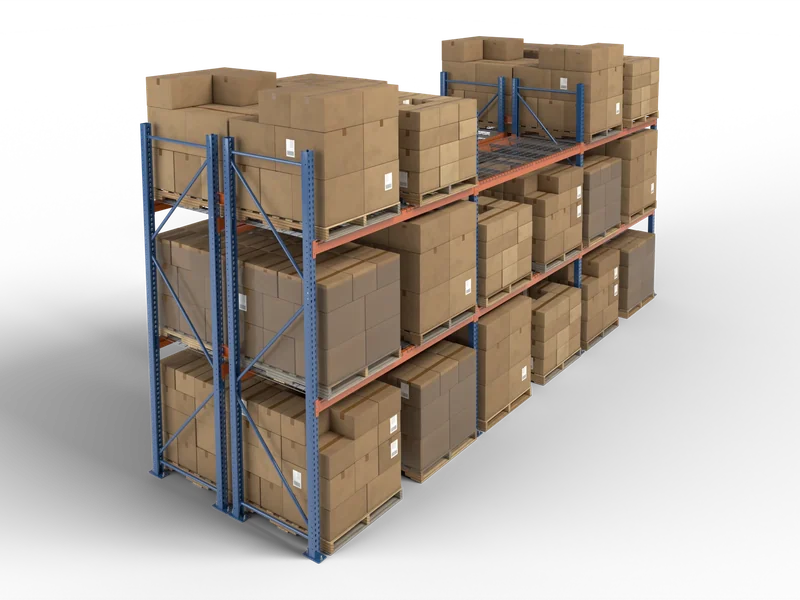
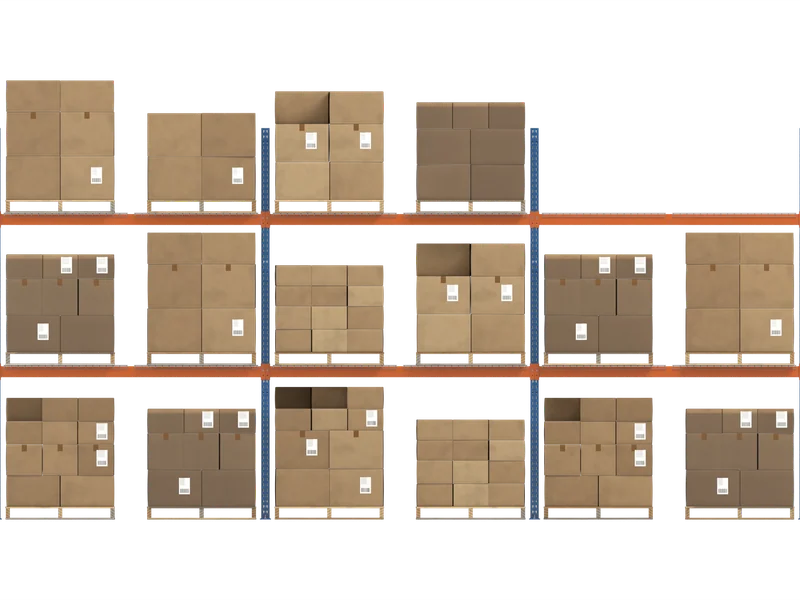
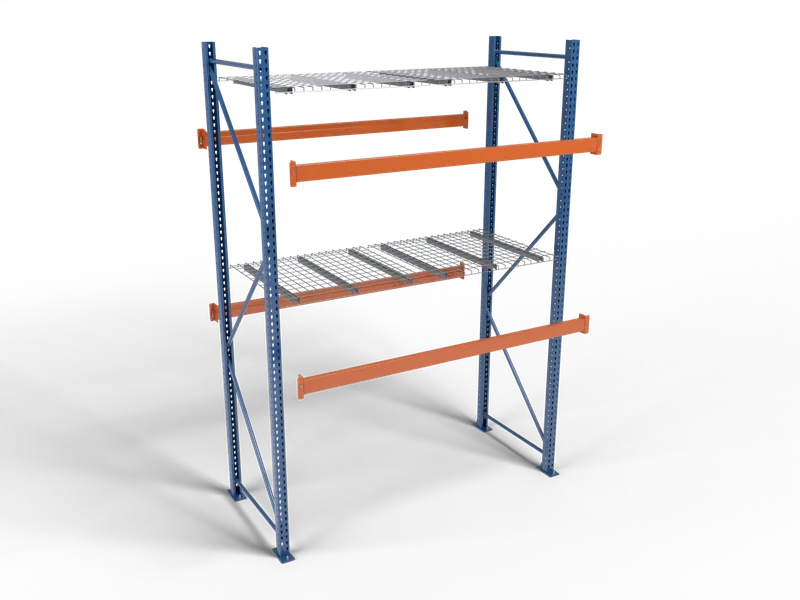
Upright frames in rows, beam pairs for each level. Every pallet faces the aisle, so any one comes out without moving another.
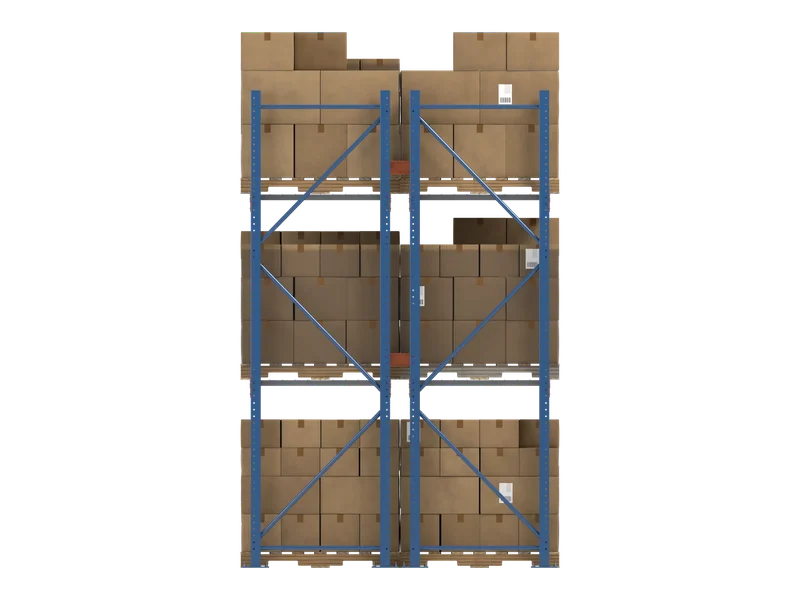
Most uses the teardrop connection: beam pins lock into the upright and levels move in 2" steps. Most makers build to it, so parts are easy to add later. Single against a wall, back to back, or double-deep with a reach truck.
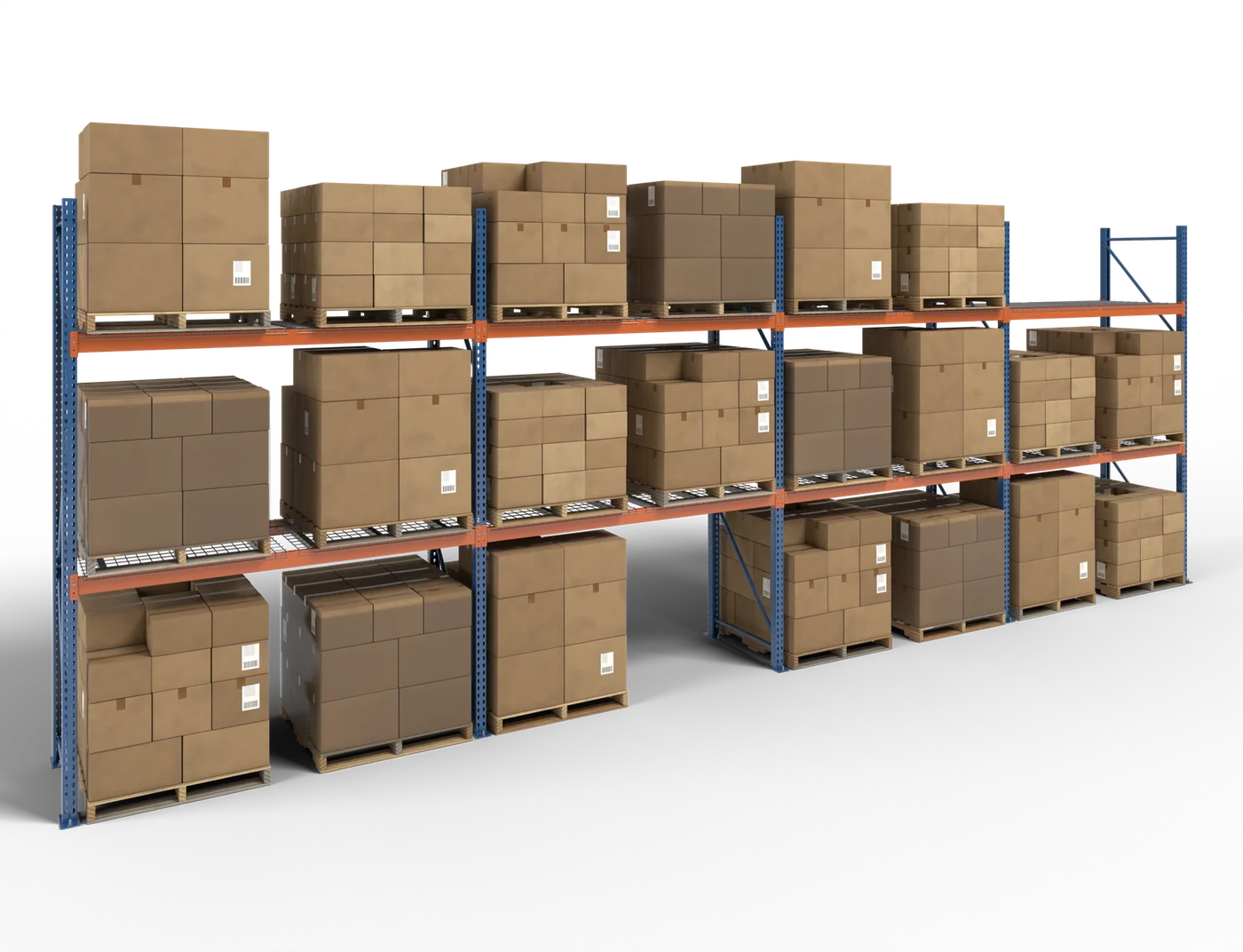
How Selective Racking Works
Advantages of Selective Racking.
- Reach every pallet. Many products, few pallets each.
- Lowest cost per pallet position.
- Any forklift. Sit-down, reach and narrow-aisle.
- Adjusts in 2" steps.
- Easy to add to. Same-style parts often fit. An engineer confirms the rating.
Selective Rack Components
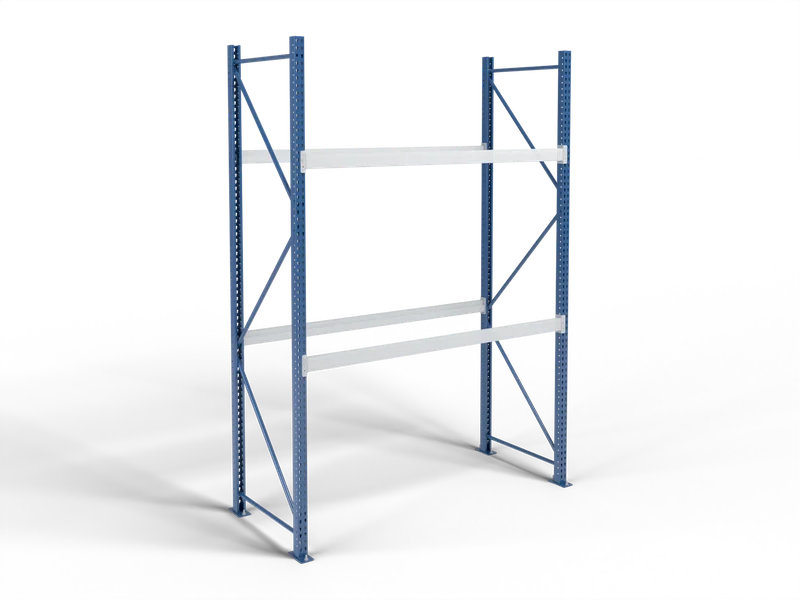
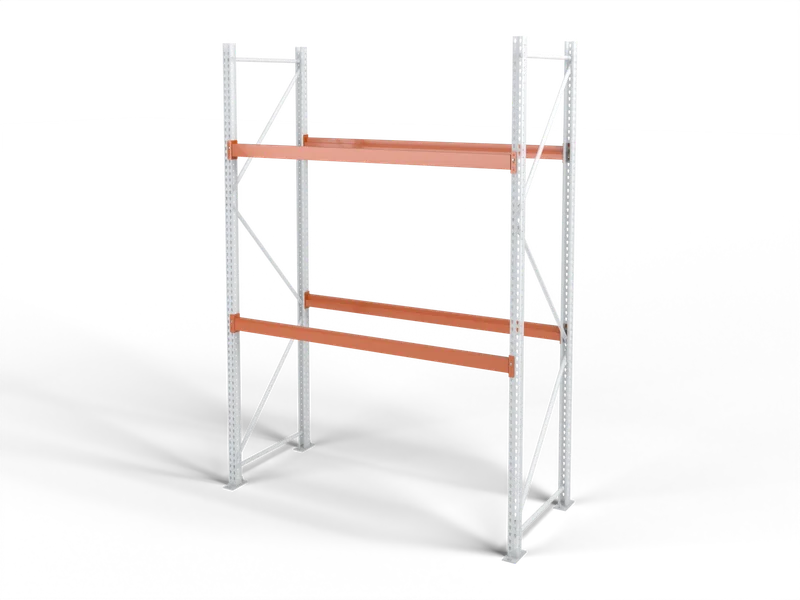
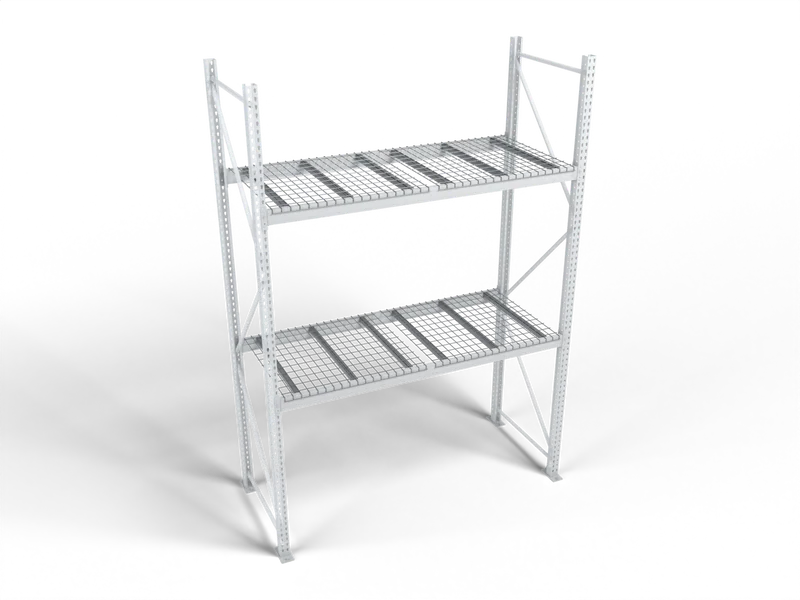
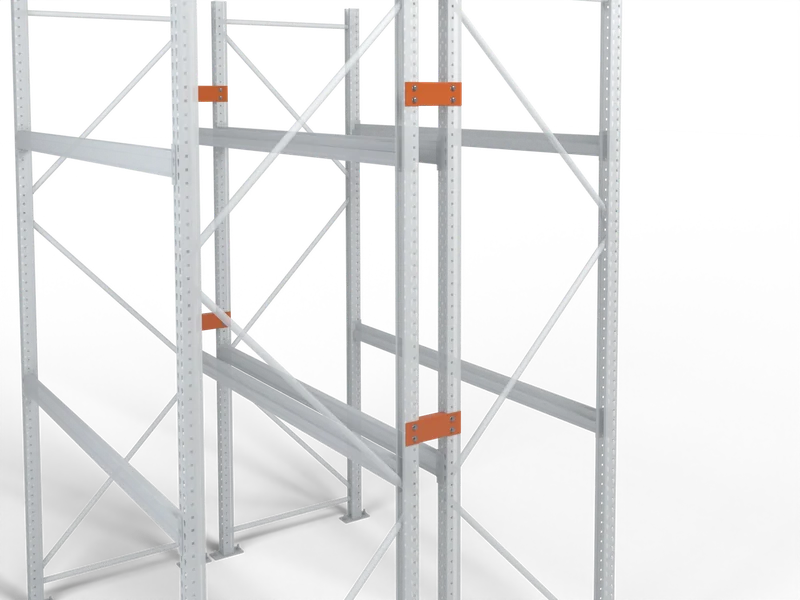
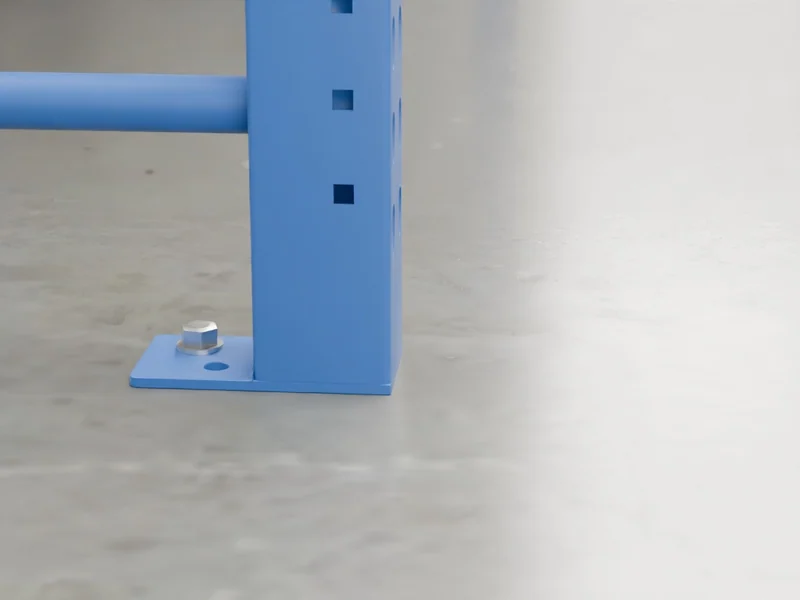
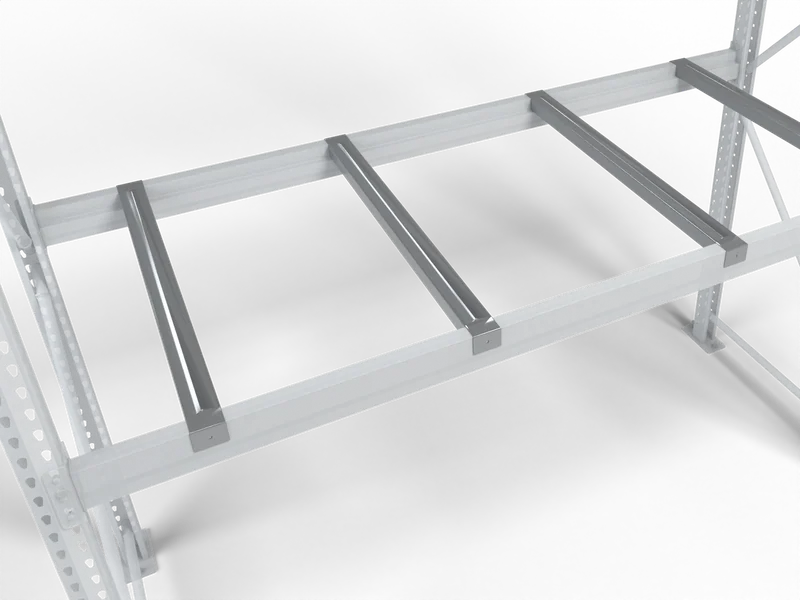
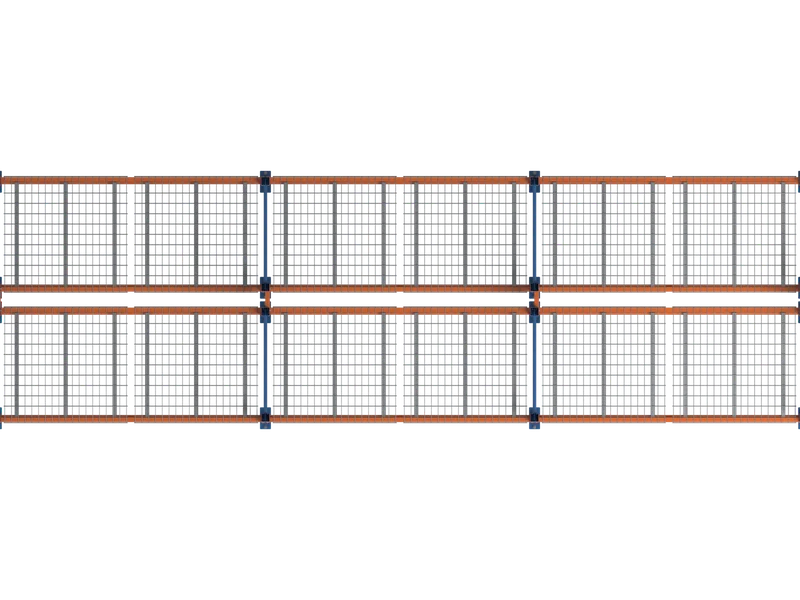
Selective Racking From Every Side
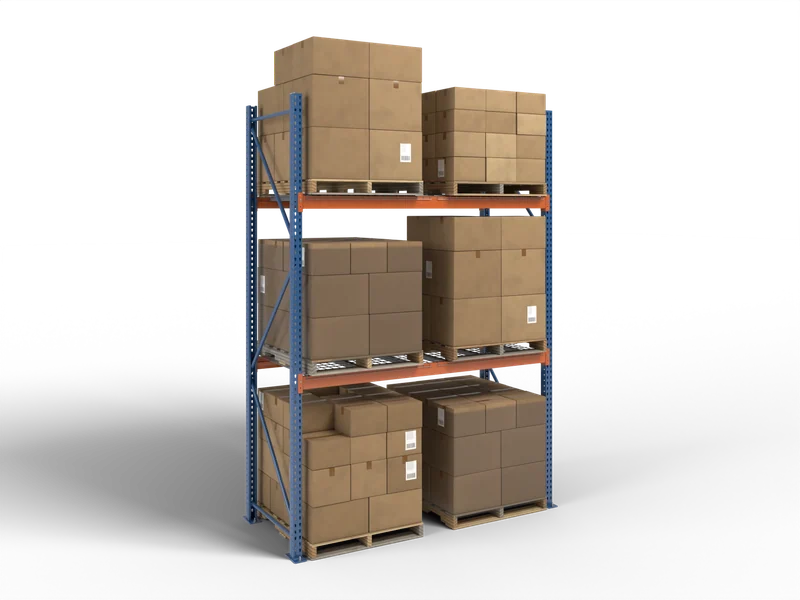
Where Selective Racking Is Used
- Distribution and 3PL.
- Wholesale and retail back rooms.
- Manufacturing, raw materials to finished goods.
- Food and beverage, coolers and freezers.
Many pallets of one item: push-back or drive-in racking for those, selective for the rest.
Common questions
What size frames and beams do most warehouses use?
A 42-inch-deep frame with 96-inch beams holds two 48-by-40 pallets per level, 40-inch face out. That leaves 16 inches to split between the two ends and the middle. A centered pallet overhangs three inches front and back. Three pallets per level needs a longer beam, often 144 inches, sized to your loads. Frame height comes from your clear height, sprinklers and forklift.
How much weight does a beam pair hold?
It depends on the maker, length, face height and gauge. Every beam pair has a maker's rating. We give you the rating for the exact beam we quote. A tall first level can need a heavier upright.
What aisle width do I need?
Set by the truck: sit-down counterbalance 12 to 13 feet, stand-up reach 9 to 10, deep-reach 10 to 11, guided VNA 5.5 to 6.5. Check whether the dealer's right-angle stack figure already includes clearance.
Do I need wire decking?
Not for good pallets on 42-inch frames. Use it for loose cases and odd pallets; many insurers and fire marshals ask for it. Mesh, not solid sheet, so sprinkler water gets through.
Do I need a permit for pallet racking?
Often, yes. The height that triggers it depends on your town. Tall combustible storage can also need a separate fire permit and a sprinkler review. We check your address and file stamped drawings and seismic calculations where required.
Can I mix new and used selective rack?
Teardrop parts from many makers fit together, but a fit is not a rating. Mixed parts need an engineer's approval. We identify the make, confirm capacities and keep structural and roll-formed separate.


