

What Is Drive-In Racking?
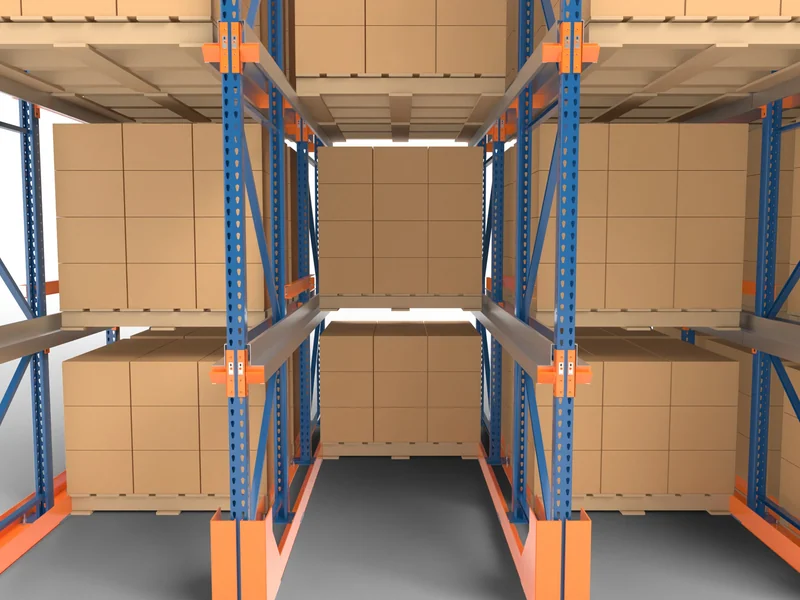
High-density storage for large volumes of one product. Forklifts drive into the lanes; pallets sit on steel rails, sometimes 10 or more deep. Up to 70% more usable space, depending on the layout.
Last in, first out (LIFO). For stock rotation, use Drive-Through (FIFO).
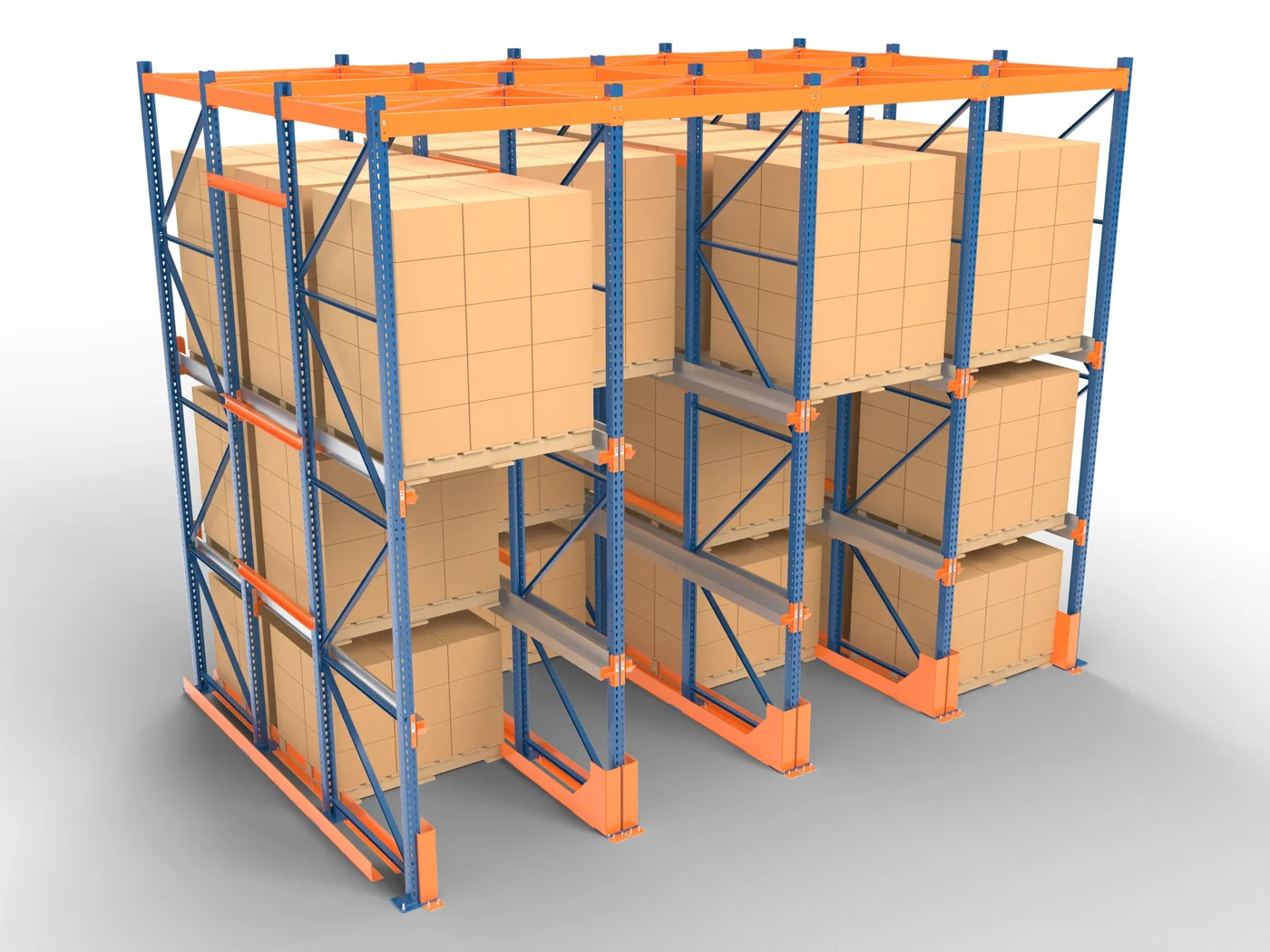
How Drive-In Racking Works
Advantages of Drive-In Racking.
- Uses height and depth.
- Low cost, no complex mechanisms.
- Sized to your products and lift trucks.
- Drive-through option for FIFO.
- Entry guides for the driver.
- Less to cool in coolers and freezers.
- One product per lane.
Drive-In Racking Components
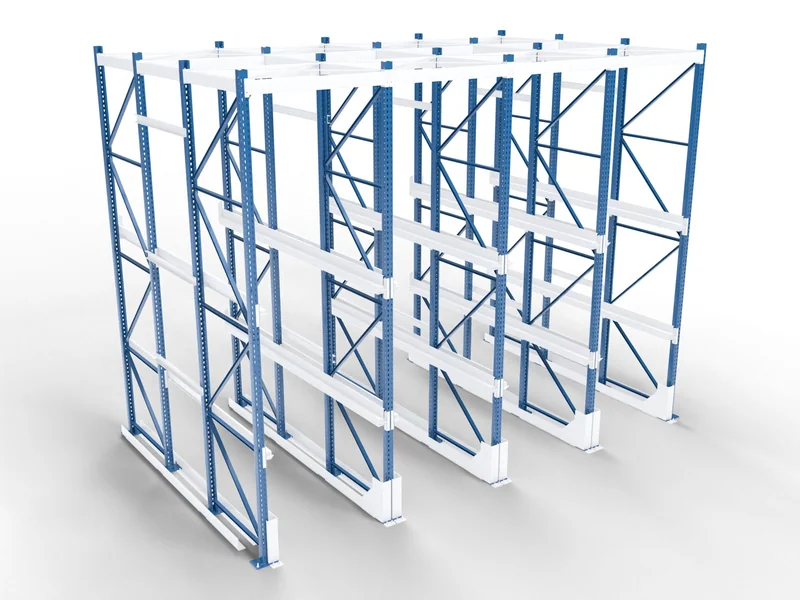
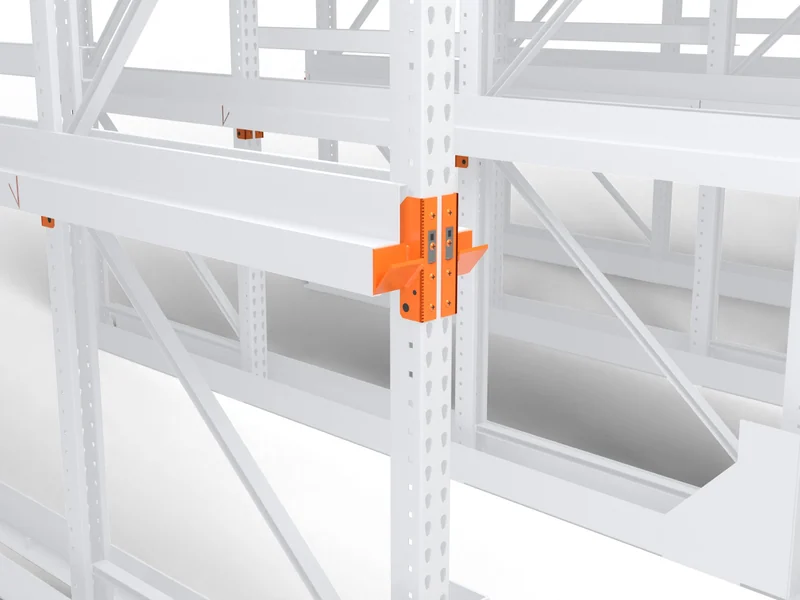
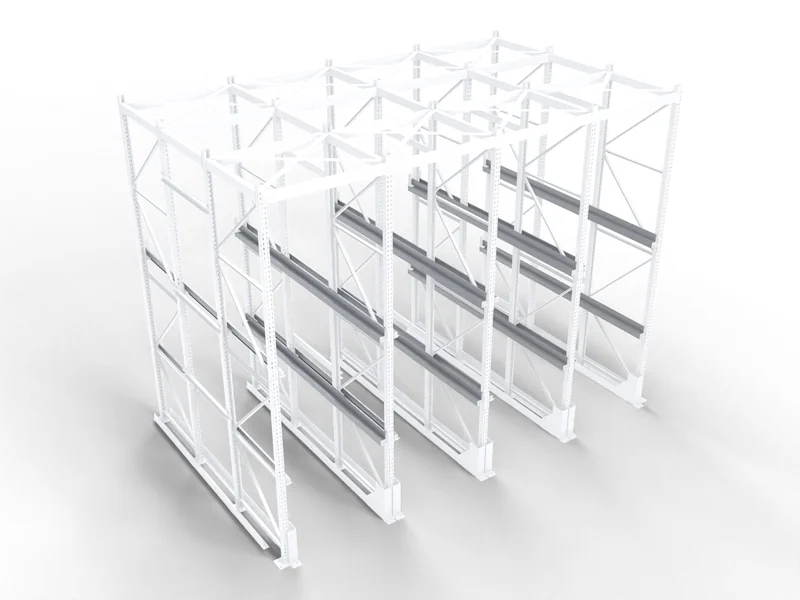
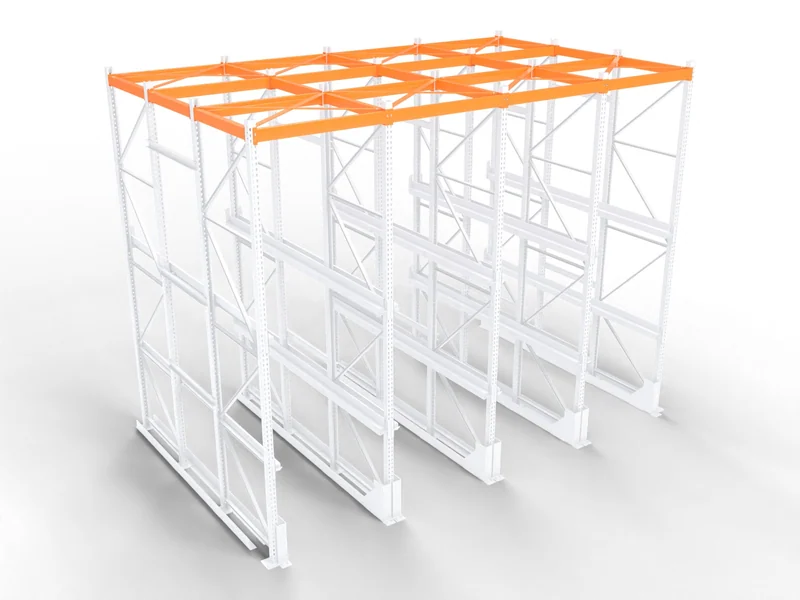
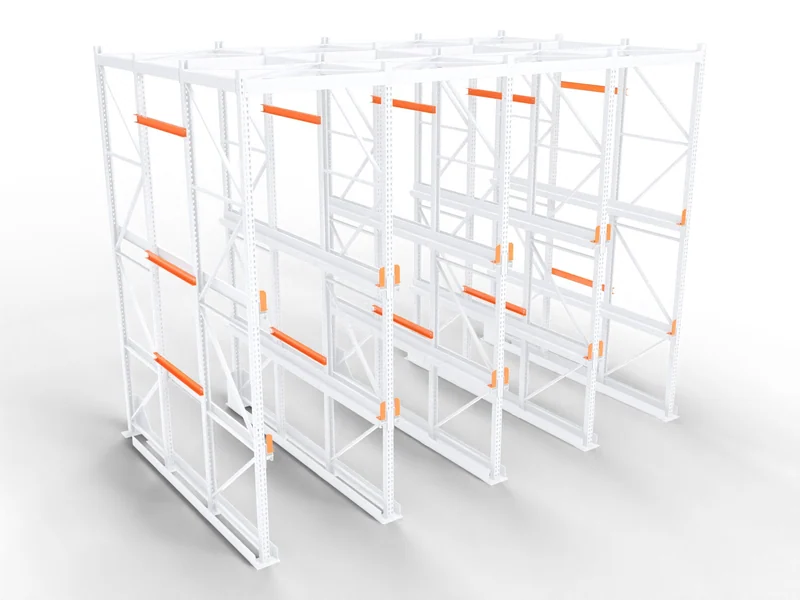
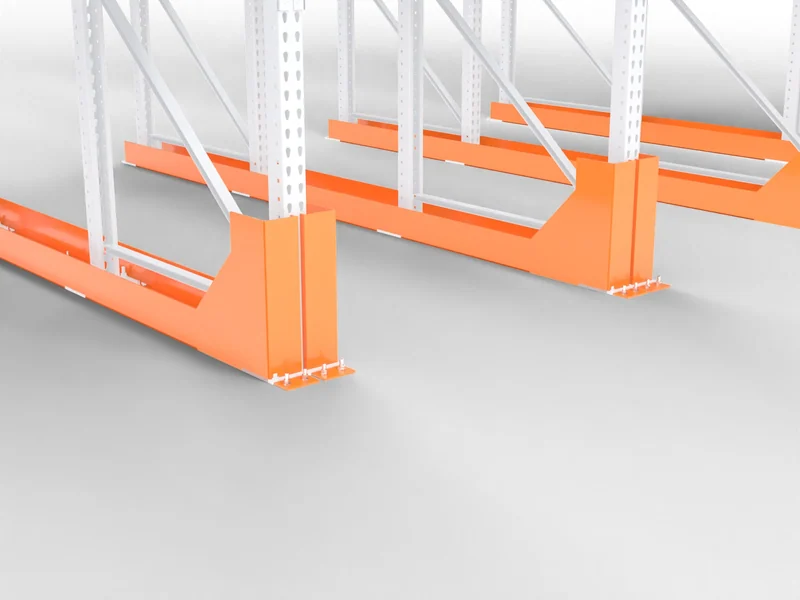
Drive-In Racking From Every Side
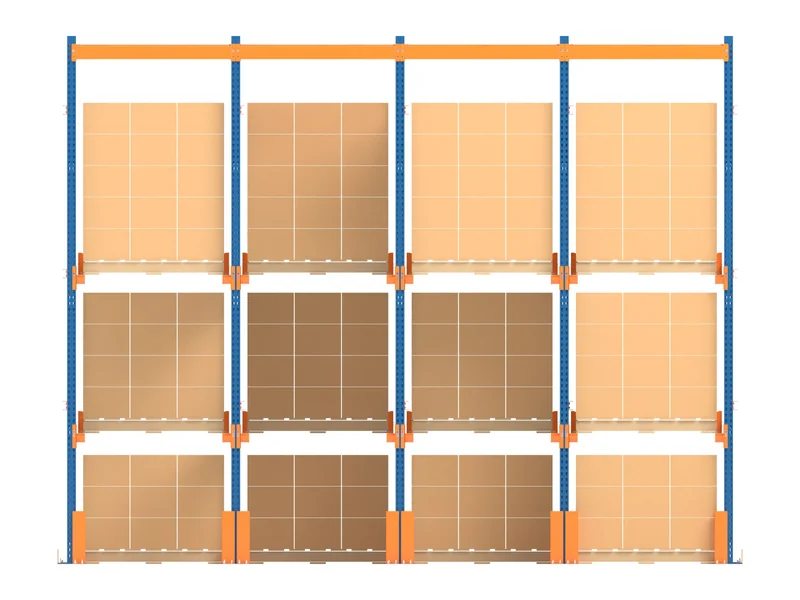
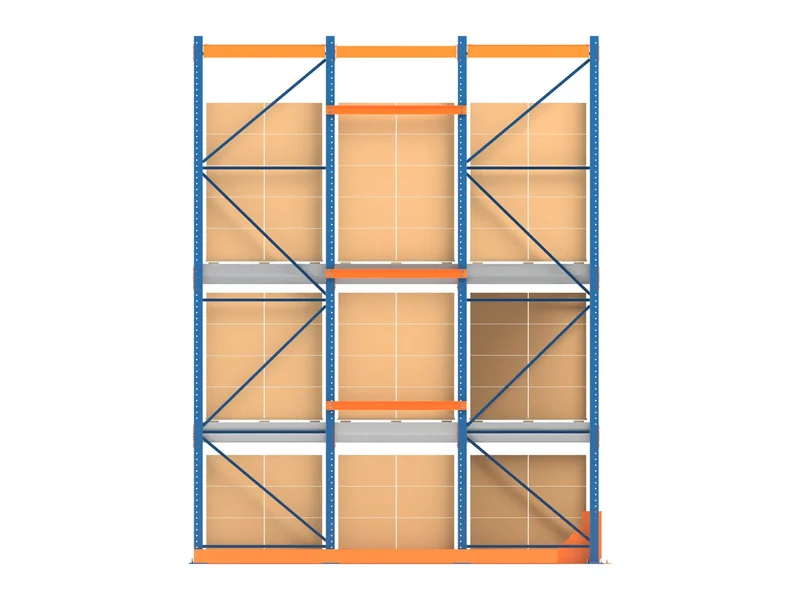
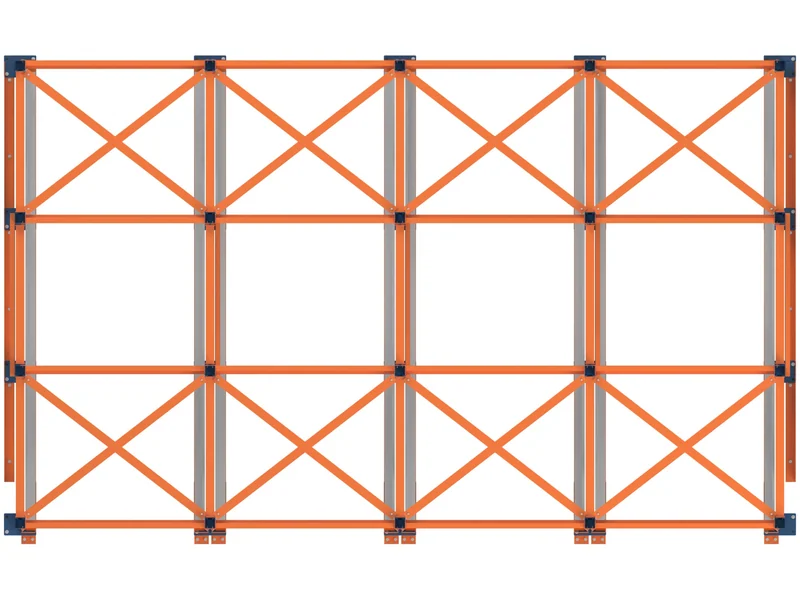
Where Drive-In Racking Is Used
- Cold storage and freezers.
- Food and beverage distribution.
- Manufacturing, finished goods or raw materials.
- Wholesale and bulk storage.
- Building materials and packaging.
Common questions
How many pallets deep should a lane be?
As deep as one SKU and date code fills in a reasonable time. Three to six deep is typical for food and beverage; ten deep for a plant that makes one product. Very deep lanes slow loading.
What does the forklift need?
Usually a counterbalance or reach truck. Lanes are sized to the truck, so send the model before the layout.
Which pallets work on rails?
The pallet rests on its edges on two rails, set for the pallet the system is designed around. Pallets must be sound. Odd or mixed pallets need another system.
How do you load a drive-in lane?
In the order set in the maker's operating manual. Keep one SKU and one date range per lane.
Freezer rated?
Yes, it is the most common freezer rack. Galvanized rails resist corrosion and the floor must be flat. Ice on rails and floor needs a regular cleaning and inspection routine.


